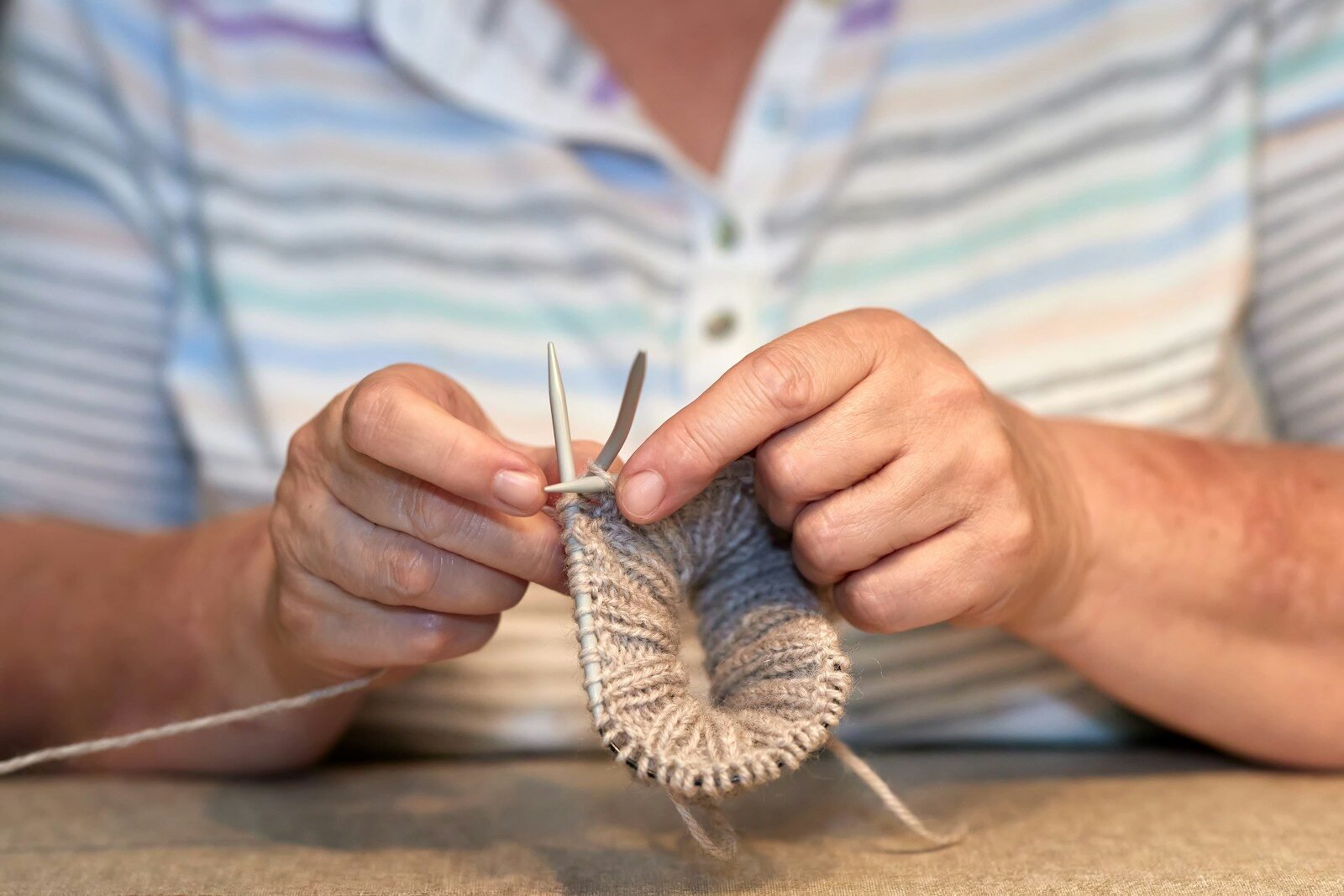
The story in this article is an illustrative example based on common experiences, not a real person.
Linda’s story
Linda had always been the one everyone called to open stubborn jars. For forty years her hands had worked hard: as a nurse in Columbus, Ohio, then knitting sweaters for her grandkids and writing a stack of Christmas cards every December. So the morning she stood in her kitchen, twisting a jar of pasta sauce with all her strength and getting nowhere, she felt more upset than she wanted to admit.
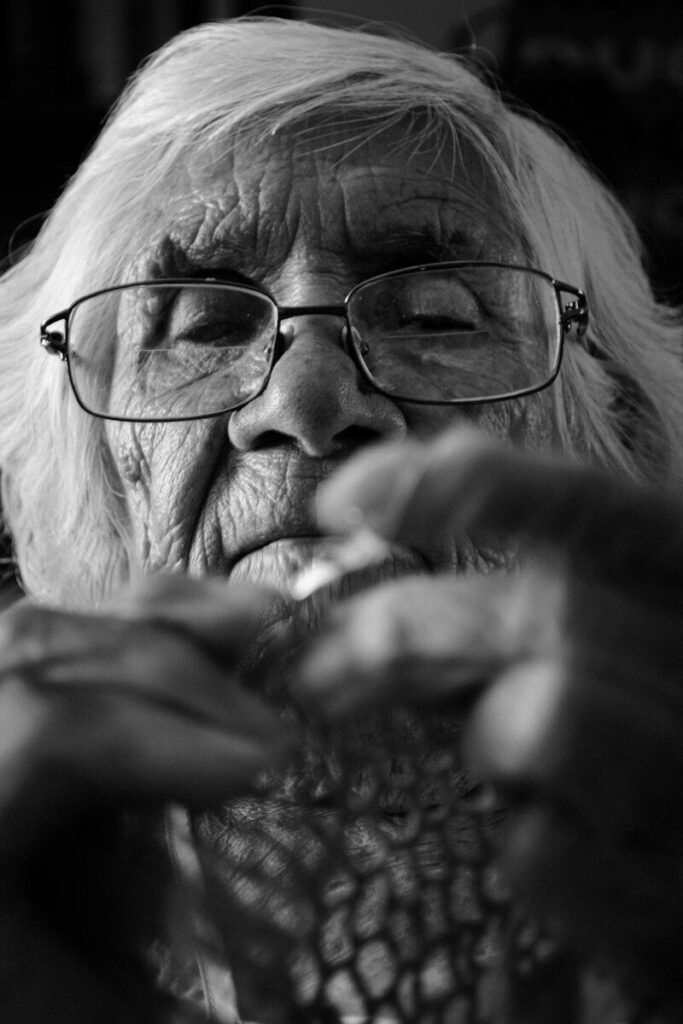
Over the next few weeks she noticed other things. Her fingers felt stiff for the first twenty minutes after waking. The base of her thumb ached when she turned the car key. Small, hard bumps had appeared on the joints closest to her fingertips. She quietly started asking her grandson to open bottles and put her knitting needles away.
When she finally mentioned it to her doctor, the answer was simple: osteoarthritis of the hands, one of the most common conditions in people over 60. The doctor also told her something that changed her outlook. Hand arthritis cannot be cured, but with the right habits, tools and exercises, most people can keep doing the things they love.
Six months later, Linda was knitting again with chunky, easy-grip needles, warming her hands in the morning and doing five minutes of hand exercises while her coffee brewed. Her hands were not the hands of a 30-year-old, but they were working for her again.
If Linda’s story sounds familiar, this guide is for you.
What is hand arthritis?
The most common type in older adults is osteoarthritis, where the smooth cartilage covering the ends of the bones slowly wears thin. In the hands it usually affects:
- The joints nearest the fingertips, sometimes with hard bumps called Heberden’s nodes
- The middle finger joints, sometimes with bumps called Bouchard’s nodes
- The base of the thumb, where the thumb meets the wrist, which makes pinching, gripping and turning painful
Common signs
- Stiffness in the morning that eases within 30 minutes or so
- Aching after using your hands, such as cooking, gardening or writing
- Weaker grip, dropping things more often
- Bony swellings on the finger joints
- Pain at the base of the thumb when turning keys or opening jars
Is it osteoarthritis or something else?
Not all hand pain is osteoarthritis. Rheumatoid arthritis and other inflammatory types need different treatment, and early treatment matters. See your doctor promptly if you notice:
- Morning stiffness lasting longer than an hour
- Soft, warm, puffy swelling of the knuckles, often on both hands
- Joints that are red or hot
- Feeling generally unwell, tired or feverish
- Numbness or tingling in the fingers (this may be a nerve problem such as carpal tunnel syndrome)
1. Warm up your hands every morning
Warmth loosens stiff joints. Linda found that soaking her hands in a bowl of warm (not hot) water for 5 to 10 minutes, or simply washing up in warm water, made the first hour of her day much easier. A microwavable wheat bag or paraffin wax bath also works for many people. For more on safe heat use, read Heat or Ice for Joint Pain?
2. Gentle hand exercises (5 minutes a day)
Do these slowly, after warming up, stopping if anything causes sharp pain:
- Make a soft fist: curl your fingers gently into a loose fist, then open them wide. 10 times.
- Finger bends: bend each finger toward your palm one at a time, then straighten. 5 times each.
- Thumb touches: touch your thumb to the tip of each finger to make an “O”. 5 rounds.
- Thumb stretch: gently move your thumb across your palm toward your little finger, then back. 10 times.
- Table slide: rest your hand flat on a table and slide your fingers apart, then together. 10 times.
A physical therapist or occupational therapist can give you a personalized program.
3. Let tools do the hard work
This is where many people get their independence back. Useful, inexpensive aids include:
- Jar and bottle openers, including under-cupboard and rubber-grip types
- Thick-handled or cushioned cutlery and pens, or foam tubing to slip over handles
- Key turners that give you a bigger handle to grip
- Electric can openers
- Lever-style taps and door handles
- Lightweight pots and pans with two handles
4. Protect your joints during daily tasks
- Use your palms or both hands to carry objects instead of pinching with your fingers.
- Slide heavy items rather than lifting them.
- Take short breaks during long tasks like knitting, typing or gardening.
- Avoid holding the same tight grip for a long time.
5. Consider a thumb or hand splint
A soft or rigid splint for the base of the thumb can rest the joint and reduce pain during activity or at night. It is worth having one fitted by a hand therapist so it supports the right joint.
6. Talk to your doctor about pain relief
Rub-on anti-inflammatory gels are often recommended for hand osteoarthritis because less of the medicine reaches the rest of the body. Pills and, for some people, steroid injections may also help. Your doctor or pharmacist can tell you what is safe alongside your other medicines.
7. Keep the rest of your body strong
Staying active overall helps your mood, sleep and pain levels. Gentle routines like our 10 easy chair exercises can be adapted for sore hands, for example by resting your hands on your thighs instead of gripping.
Helpful products: For soothing warmth, see our heating pad guide.
Frequently asked questions
Will the bumps on my fingers go away?
Bony bumps (Heberden’s and Bouchard’s nodes) usually stay, but they often become less painful over time.
Should I stop using my hands if they hurt?
No. Gentle, regular use keeps joints moving. Pace yourself, use tools to reduce strain, and rest during flare-ups.
Are compression gloves helpful?
Some people find that compression or warm gloves ease stiffness, especially at night or in cold weather. They are inexpensive and worth trying.
Does cold weather make hand arthritis worse?
Many people say their hands feel stiffer in cold, damp weather. Keeping your hands warm with gloves can help.
This article is for general information only and is not medical advice. Please talk to your doctor or physical therapist before starting new exercises or treatments, especially if you have a health condition.