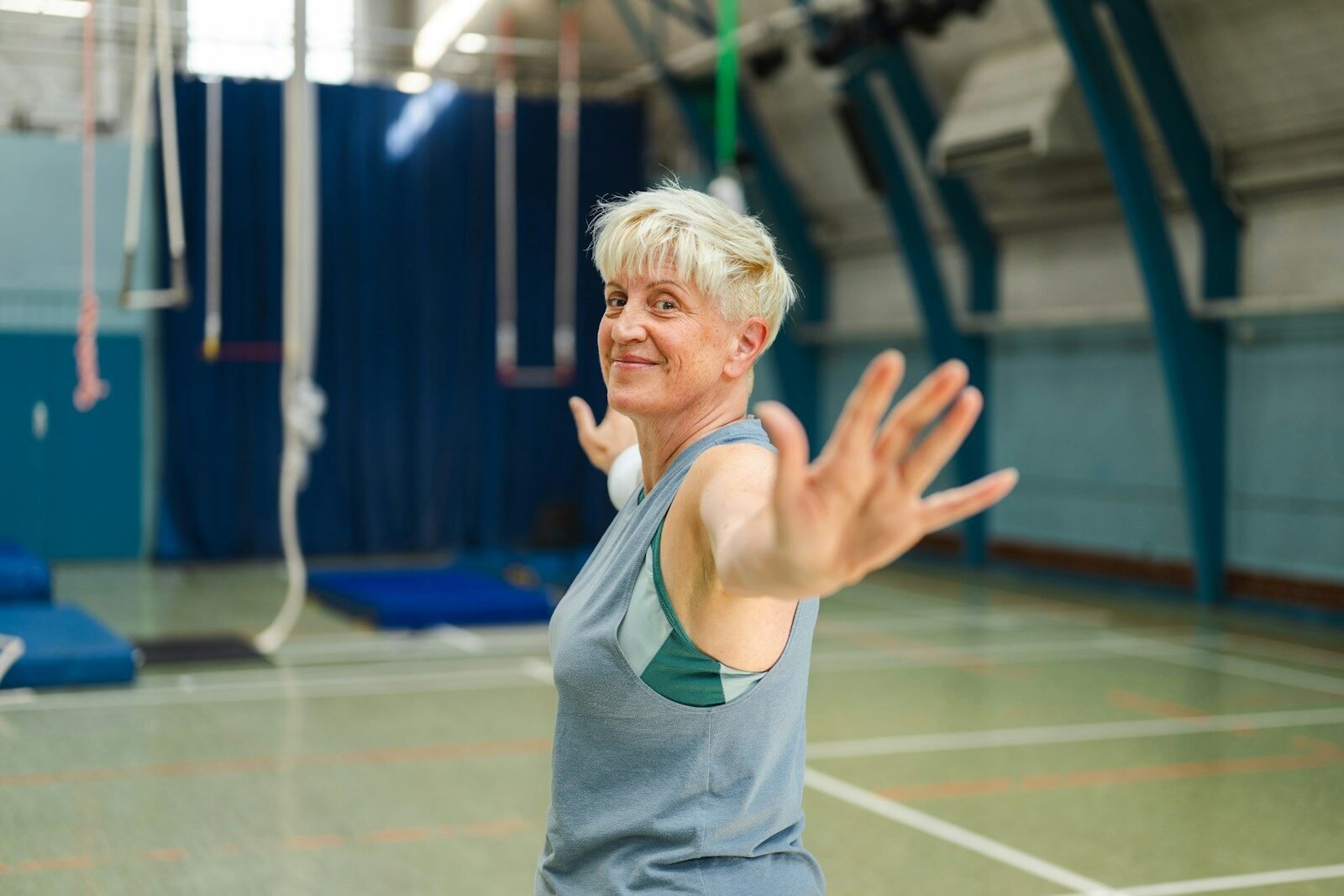
The story in this article is an illustrative example based on common experiences, not a real person.
Carol’s story
At 68, Carol had never lifted a weight in her life. She had raised four kids in San Antonio, taught third grade for 35 years and kept a busy garden. But over the past few years, something had changed. Getting up from the floor after playing with her granddaughter needed a hand from someone. Carrying groceries in from the car left her arms shaking. After a small slip in the bathroom, she started to feel nervous on the stairs.
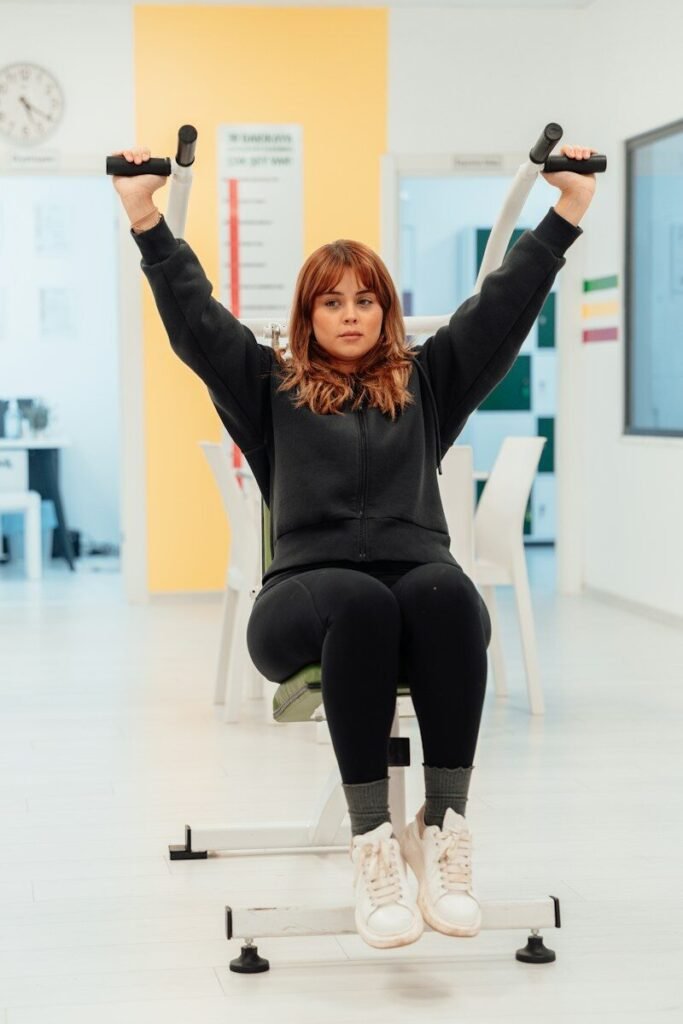
When her doctor suggested “strength training,” she laughed. “Doctor, I’m not going to the gym with all those young people.” The doctor smiled and explained that strength training simply means making your muscles work a little harder than usual, and it can be done at home with a chair, some water bottles and a resistance band.
Carol started with just two short sessions a week. The first week, she could only stand up from her chair five times without using her hands. By week six, she could do twelve. By week twelve, she was carrying the groceries in one trip, climbing the stairs without gripping the rail, and she proudly got up from the floor on her own at her granddaughter’s birthday party.
Her story reflects what research has shown for decades: muscles respond to training at any age. Here is a simple plan to help you do the same.
Why strength training matters after 60
From middle age, we gradually lose muscle, and the loss speeds up after 60 for people who are inactive. This is called sarcopenia. Strength training is the most effective way to slow or even partly reverse it. Benefits include:
- Easier everyday tasks: stairs, shopping, getting up from chairs
- Better balance and fewer falls
- Stronger bones
- Less joint pain, because strong muscles support the joints
- Better blood sugar control, mood and sleep
Health guidelines recommend that older adults do muscle-strengthening activities on at least two days a week.
Before you begin
- Check with your doctor first if you have heart disease, high blood pressure that is not controlled, recent surgery, osteoporosis, or have been inactive for a long time.
- Use a sturdy chair without wheels, placed against a wall.
- Wear comfortable clothes and supportive shoes.
- Keep water nearby.
- Never hold your breath. Breathe out as you push or lift.
How hard should it feel?
Use a simple 0 to 10 effort scale, where 0 is resting and 10 is your absolute maximum. Aim for about 5 to 7: the last two or three repetitions should feel challenging but you should still be able to move with good form. If you cannot do 8 repetitions, the exercise is too hard; if you can easily do 15, make it harder.
The 6 core exercises
- Sit-to-stand: from a chair, stand up and sit back down slowly. (Legs and bottom)
- Wall push-ups: hands on the wall at shoulder height, bend elbows and push back. (Chest and arms)
- Seated row with a band: loop a resistance band round your feet and pull elbows back. (Upper back and posture)
- Calf raises: holding the chair back, rise onto your toes and lower slowly. (Calves and balance)
- Bicep curls: with water bottles or light weights, bend your elbows to bring your hands to your shoulders. (Arms)
- Side leg raises: holding the chair, lift one leg out to the side. (Hips and balance)
Step-by-step instructions for many of these are in our 10 easy chair exercises.
The 12-week plan
Do the plan on two or three non-consecutive days a week, for example Monday and Thursday. Warm up first with 3 to 5 minutes of marching on the spot.
Weeks 1 to 2: Learn the movements
- 1 set of 8 to 10 repetitions of each exercise
- Use your hands for support where needed
- Focus on slow, smooth movements
Weeks 3 to 4: Build the habit
- 2 sets of 8 to 10 repetitions
- Rest 1 minute between sets
Weeks 5 to 8: Add challenge
- 2 sets of 10 to 12 repetitions
- Make it harder: sit-to-stands without hands, a stronger band, or slightly heavier bottles (for example, swapping 16-ounce bottles for 32-ounce ones)
Weeks 9 to 12: Get stronger
- 2 to 3 sets of 10 to 12 repetitions
- Move slowly on the way down (count to 3), which makes muscles work harder
- Add one new exercise, such as step-ups on the bottom stair while holding the rail
Track your progress
Carol kept a small notebook. Every two weeks, try this simple test: how many times can you stand up from a chair, without using your hands, in 30 seconds? Write it down. Seeing the number go up is very motivating.
Feed your muscles
Exercise works best with enough protein. Try to include protein foods at every meal. See How Much Protein Do You Need After 60?
Normal soreness vs warning signs
- Normal: mild muscle soreness 1 to 2 days after exercise, especially when starting out.
- Stop and seek help: chest pain or pressure, severe breathlessness, dizziness, sharp joint pain, or pain that lasts more than a few days.
Staying motivated
- Exercise at the same time on the same days each week.
- Invite a friend or family member to join you.
- Put on music or a favorite program.
- Celebrate small wins, like carrying groceries more easily.
Helpful products: Need equipment for this plan? See our resistance band picks for seniors.
Frequently asked questions
Is it safe to lift weights after 60?
For most people, yes, when you start light, use good form and progress gradually. Check with your doctor if you have health conditions.
How long before I see results?
Many people feel stronger in 4 to 8 weeks. Everyday tasks often feel easier before you notice visible changes in your muscles.
Can I strength train if I have arthritis?
Usually yes, and it often reduces joint pain. Choose a comfortable range of movement and avoid exercises that cause sharp pain.
Do I need to go to a gym?
No. Everything in this plan can be done at home with a chair, a resistance band and water bottles.
This article is for general information only and is not medical advice. Please talk to your doctor or physical therapist before starting new exercises or treatments, especially if you have a health condition.