
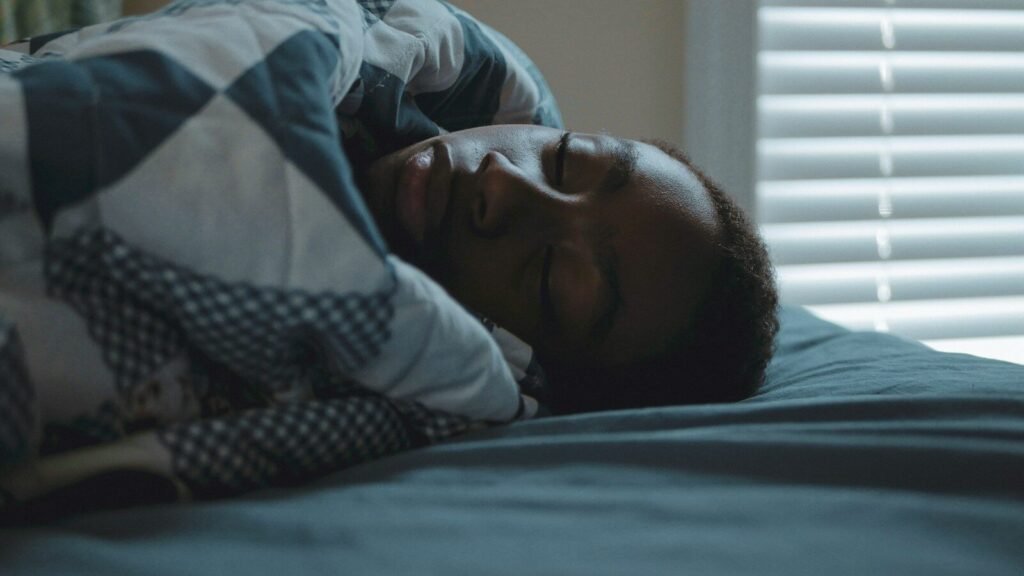
The story in this article is an illustrative example based on common experiences, not a real person.
Barbara’s story
Barbara, 69, a retired bookkeeper from Charlotte, North Carolina, used to love bedtime. These days she dreaded it. Her knees ached when she lay on her side. Her lower back complained when she lay on her back. She would doze off at eleven, wake at two with her hip throbbing, and lie awake until the birds started singing, watching the ceiling and worrying that she would be exhausted the next day. She usually was.
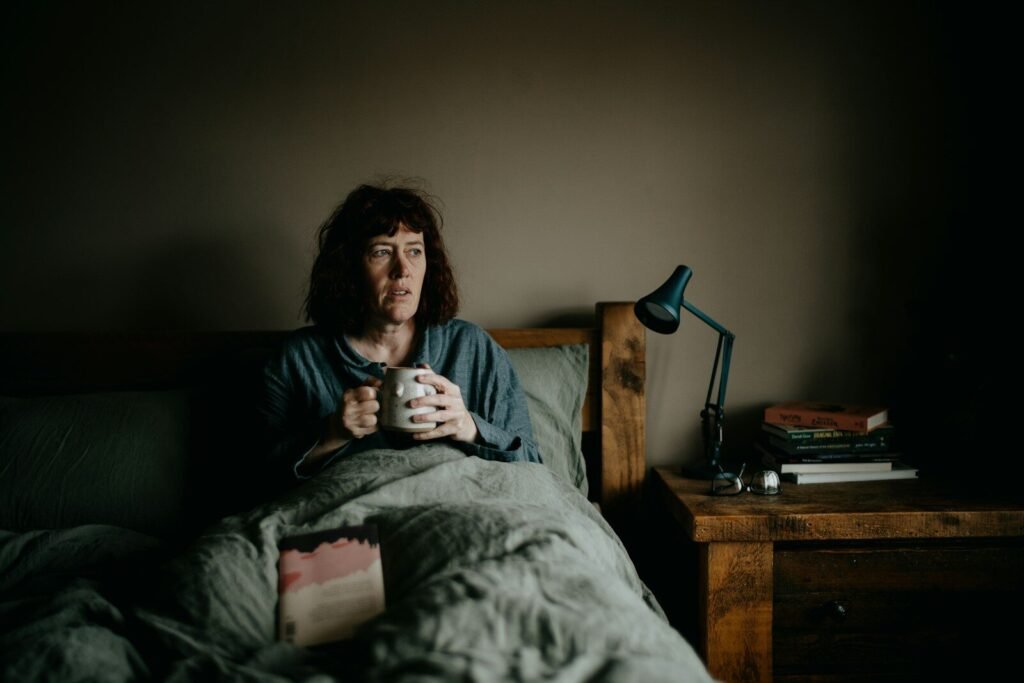
The tiredness made everything worse. She stopped her evening walks. She napped in the afternoon. Her pain seemed sharper, and her patience shorter. “Is this just what getting old feels like?” she asked her doctor.
Her doctor explained something important: pain and poor sleep feed each other. Pain makes it hard to sleep, and poor sleep makes the body more sensitive to pain. The good news is that improving one usually improves the other.
Together, they made a plan. Barbara moved her walk to the late afternoon, cut her long nap to twenty minutes, used a heat pack on her back before bed, put a pillow between her knees and kept her bedroom a little cooler and darker. She also stopped drinking coffee after 2 p.m. It took a few weeks, but slowly she began sleeping through most nights. And to her surprise, her daytime pain eased too.
Why sleep often gets harder after 60
- Sleep naturally becomes lighter, with more waking during the night.
- Pain from arthritis, back problems or muscle cramps.
- Needing the bathroom at night.
- Medicines that affect sleep.
- Less daytime activity and daylight.
- Conditions such as sleep apnea or restless legs.
Most older adults still need around 7 to 8 hours of sleep. Poor sleep is common, but it is not something you simply have to accept.
Find a comfortable position
- Side sleepers: put a pillow between your knees to keep hips and spine aligned. This helps knee and hip pain.
- Back sleepers: place a pillow under your knees to ease the lower back.
- Shoulder pain: lie on the other side and hug a pillow to support the sore arm.
- Spinal stenosis or reflux: a slightly raised upper body using a wedge pillow may help.
For more detail, read The Best Sleeping Positions for Back Pain.
Create a calming bedtime routine
- Warm up stiff joints: a warm shower or 15 to 20 minutes with a heat pack about an hour before bed. See our heating pad buyer’s guide for safety tips.
- Gentle stretches: a few minutes of slow stretching relaxes muscles. Many of the moves in our morning stretching routine also work in the evening.
- Wind down: dim the lights and put away screens 30 to 60 minutes before bed.
- Keep regular hours: go to bed and wake at about the same time every day.
Daytime habits that help night-time sleep
- Get daylight, especially in the morning. It helps set your body clock.
- Stay active. Regular walking improves sleep. See Walking After 60.
- Limit naps to 20 to 30 minutes, before about 3 p.m.
- Cut caffeine after lunchtime: tea, coffee, cola and chocolate all contain it.
- Eat your evening meal at least 2 to 3 hours before bed.
- Drink fluids earlier in the day if night-time bathroom trips wake you, but do not cut back overall. See Staying Hydrated After 60.
Make your bedroom sleep-friendly
- Cool, quiet and dark (blackout curtains or an eye mask help).
- A supportive mattress; a topper can add comfort to a firm bed.
- Night lights on the way to the bathroom to prevent falls.
- Keep a glass of water and your glasses within reach.
If you wake up in pain
- Change position and adjust your pillows.
- Do a few ankle pumps and gentle knee bends in bed.
- If you cannot sleep after about 20 minutes, get up, sit somewhere comfortable in dim light and do something calm, then return to bed when sleepy.
Talk to your doctor if
- Pain regularly wakes you or stops you sleeping.
- You snore loudly, gasp or stop breathing during sleep (signs of sleep apnea).
- You have an uncomfortable urge to move your legs at night.
- You feel very sleepy during the day.
- You wonder whether a medicine is affecting your sleep.
Your doctor may adjust pain relief timing or check for other causes. Avoid relying on over-the-counter sleeping pills without advice, as some can increase confusion and fall risk in older adults.
Frequently asked questions
How many hours of sleep do seniors need?
Most older adults need around 7 to 8 hours, although sleep is often lighter and more broken than when you were younger.
Is it bad to nap during the day?
A short nap of 20 to 30 minutes, earlier in the afternoon, is fine for most people. Long or late naps can make night-time sleep harder.
Can poor sleep make arthritis pain worse?
Yes. Lack of sleep can make the body more sensitive to pain. Improving sleep often helps pain feel more manageable.
This article is for general information only and is not medical advice. Please talk to your doctor or physical therapist before starting new exercises or treatments, especially if you have a health condition.