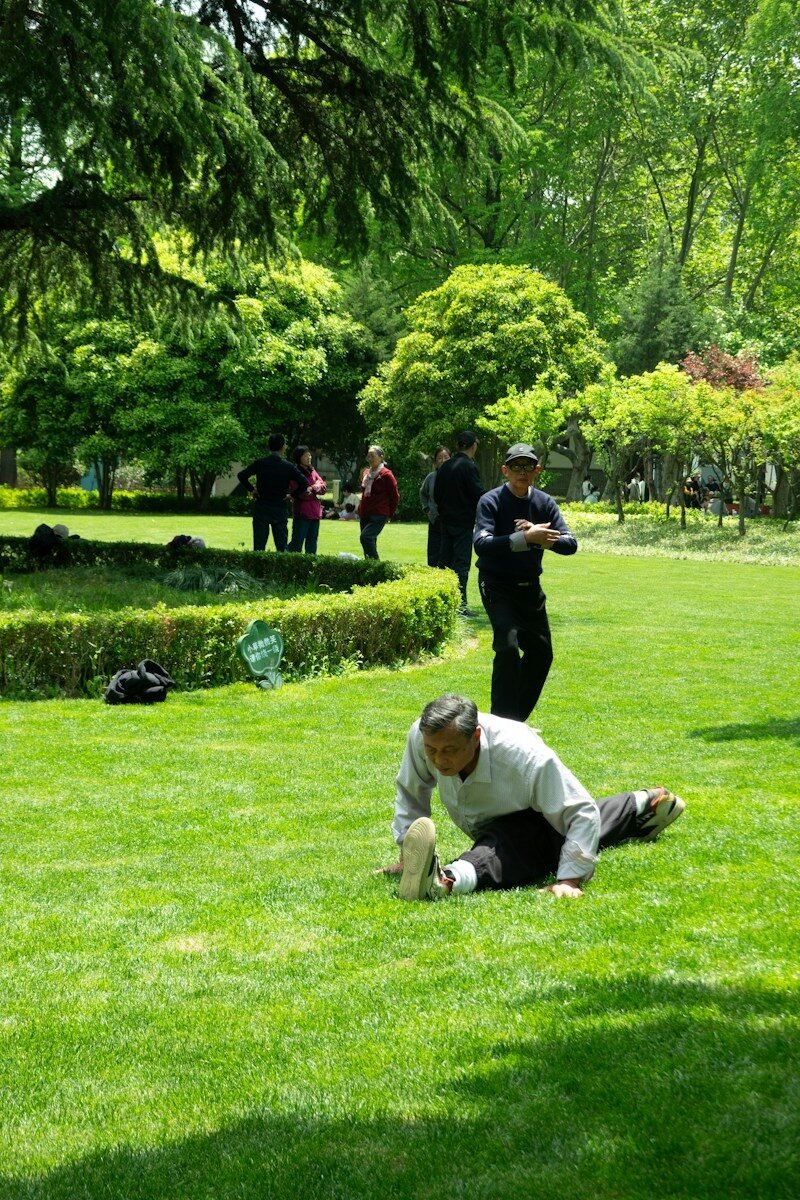
The story in this article is an illustrative example based on common experiences, not a real person.
Jim’s story
Every morning for years, Jim, 71, a retired machinist from Minneapolis, followed the same routine. He woke at six, sat on the edge of the bed, and then waited. Waited for his back to loosen. Waited for his knees to stop complaining. Waited for his shoulders to let him reach the coffee mugs on the top shelf. “My body needs time to warm up, like my old pickup truck in January,” he would joke to his wife.
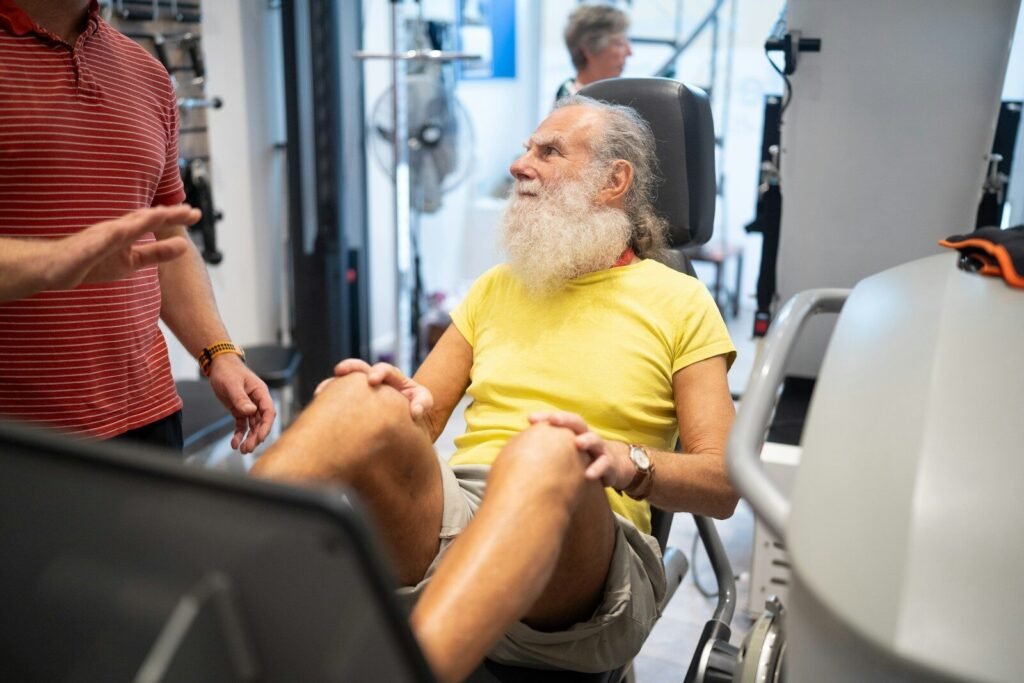
The waiting got longer every winter. Some mornings, it was nearly an hour before he felt like himself.
One day his physical therapist asked him a simple question: “What do you do in that hour?” The honest answer was: nothing. He sat and waited. She suggested he try something different: ten minutes of gentle stretches, starting while he was still lying in bed.
Jim was skeptical, but he tried it. The first few days, he only did half the stretches. After two weeks, he noticed he was walking to the kitchen without shuffling. After a month, the “waiting time” had dropped from nearly an hour to about ten minutes, the same ten minutes he spent stretching.
Morning stiffness is very common after 60, especially with arthritis. Overnight, joints and muscles sit still for hours, and the fluid that lubricates the joints thickens. Gentle movement helps get everything flowing again. Here is the routine Jim followed.
Before you start
- Move slowly and gently. Stretching should feel like a mild pull, never sharp pain.
- Breathe slowly throughout. Never hold your breath.
- Hold each stretch for 15 to 30 seconds unless stated.
- If you have osteoporosis, a hip or knee replacement, or recent surgery, ask your doctor or physical therapist which stretches are safe for you.
- Sit on the edge of the bed for a moment before standing, as some people feel dizzy when they first get up.
Part 1: In bed (3 minutes)
1. Ankle pumps
Lying on your back, point your toes away from you, then pull them toward you. Repeat 10 to 15 times. This gets your circulation going.
2. Knee-to-chest stretch
Bend one knee and gently draw it toward your chest with your hands behind your thigh. Hold for 15 to 20 seconds. Switch legs. Repeat twice each side. Lovely for a stiff lower back.
3. Gentle knee rolls
With both knees bent and feet flat on the bed, slowly let your knees fall a little to one side, then the other. Keep it small and comfortable. 5 times each way.
4. Overhead reach
Interlace your fingers and gently stretch your arms above your head on the bed, reaching as far as is comfortable. Hold for 10 seconds. Repeat 3 times.
Part 2: Sitting on the edge of the bed or a chair (4 minutes)
5. Shoulder rolls
Roll your shoulders slowly backwards 10 times, then forwards 10 times.
6. Neck stretch
Sit tall. Gently tilt your right ear toward your right shoulder until you feel a light stretch on the left side of your neck. Hold for 15 seconds. Switch sides. Do not roll your head in full circles.
7. Seated hamstring stretch
Sit near the edge of a chair. Straighten one leg in front with your heel on the floor and toes pointing up. Keeping your back straight, lean slightly forward from the hips until you feel a stretch at the back of your thigh. Hold for 20 seconds. Switch legs.
8. Seated side bend
Sit tall, raise your right arm overhead and gently lean to the left. Hold for 15 seconds. Switch sides.
9. Hand and wrist warm-up
Open and close your hands 10 times, then circle your wrists 10 times each way. See Living Well With Hand Arthritis for more hand exercises.
Part 3: Standing, holding a chair (3 minutes)
10. Calf stretch
Hold the back of a chair. Step one foot back, keep the heel down and the back leg straight, and gently bend the front knee. Hold 20 seconds. Switch.
11. Standing hip opener
Holding the chair, stand tall and gently push your hips forward until you feel a light stretch at the front of your hips. Hold 15 seconds.
12. Mini squats
Holding the chair, bend your knees slightly as if beginning to sit, then stand tall. 8 to 10 times. This warms up your knees and thighs for the day ahead.
Make it a habit
- Do it every morning, even on days you feel good.
- Pair it with something you already do, like waiting for your morning coffee.
- On bad days, do just Part 1. Something is always better than nothing.
- Combine with a warm shower, which loosens joints further. See Heat or Ice for Joint Pain?
Once your mornings feel easier, add strength work with our beginner’s 12-week strength plan.
When to talk to your doctor
Mention it to your doctor if morning stiffness lasts longer than an hour, your joints are swollen, red or hot, or stiffness is getting steadily worse. These can be signs of inflammatory arthritis, which needs different treatment.
Frequently asked questions
Is it better to stretch in the morning or evening?
Both are helpful. Morning stretching eases stiffness; evening stretching can help you relax before sleep.
Should stretching hurt?
No. You should feel a gentle pull. Sharp pain means you have gone too far.
How long before stretching helps stiffness?
Many people feel a difference straight away, and noticeable improvement in daily stiffness after 2 to 4 weeks of regular stretching.
This article is for general information only and is not medical advice. Please talk to your doctor or physical therapist before starting new exercises or treatments, especially if you have a health condition.